An open letter to our families

We know that being the family of a trans* person is not something you sought or ever thought you would have to deal with. We know that in coming out as trans*, we are also forcing you out as the family of a trans* person. We know that you are concerned for us, for our welfare, for our healthcare, for our relationships, for our safety, for all the reasons that you have seen as headlines in the newspapers, and that makes you afraid for us. We know that you can’t be sure we are doing the right thing, maybe we are just going through a phase. We know that you will get our name wrong and use the wrong pronoun sometimes, which may embarrass you in public. We know all of these things and that’s why coming out to our families is the hardest thing we have to do. We worry so much that, if we can’t help you find a way through all of these issues, we may lose you. We don’t want to lose you, we want you in our lives. Our love for you doesn’t change when we transition but, sometimes, your love for us does.

familyIn an ideal world, when we come out to you as trans*, at some point in the process, we would like you to give us a hug and say something similar to: “That’s great news. I’m so happy that you have reached a place where you feel able to express yourself in a way that is true to the person you really are. How can I best help and support you?” We know this is a big ask, but it’s not an impossible ask.

To our mothers and fathers: when the midwife placed us in your arms for the first time and said, “It’s a …”, would you have loved us any less if she had said our real gender as opposed to the gender dictated by our genitalia? To our partners, siblings, children and wider family: when you met us for the first time and were introduced to us, “This is …”, would you have loved us any the less if you had been introduced to us as the name that we have chosen for ourselves to match our true gender? If the answer to both these questions is “no”, which it probably is, then the problem with transitioning is not our gender or our new name, the problem is that we are changing from something familiar to something that seems unfamiliar.

Nobody likes change and our transition imposes a change on your life that you did not seek. Because of the process of transition, the news of this change is necessarily sudden for our families. Transitioning is never a spur of the moment decision and coming out to our families happens at the end of a process that may take years. Our families, therefore, receive the news of our transition with none of the preparation time we have had. Put like this, as the person transitioning, we have a responsibility to help those whose love and support we value to transition with us.

As the family of a trans* person, you have a right to ask them to accept this responsibility and to give you the help and support you need to manage the change that is happening in your life. This may include arranging for you to speak to a counsellor about your concerns or finding appropriate resources to help you understand the process of transitioning and why it is not a choice for the trans* person. To this end, we have added a post about the Transition Curve – the stages that everyone goes through when faced with change – that gives the trans* person in your family some guidance on how best to do this. You may also want to read it to understand a little more about why human beings don’t like change much and react in similar, predictable ways to it.

It is in our interests to help you cope with our transition. If we want you in our lives, we must make the effort. Communicating with you is, therefore, vital to the process. However much you might not want to talk about it, expressing your feelings is better than bottling them up. Please tell us how you are feeling. If you can’t do it face-to-face, phone us or write to us. If you need time and space, say so. We can respect that. Trans* Jersey’s post on communicating assertively applies to you as well as to us. Anger is a common reaction to change, especially change that is out of our control. Get angry, but please don’t get angry with us. Gender dysphoria is not something that we chose. If you need to get angry, get angry with the change, with the dysphoria, with the situation, but not with us.

To speak assertively: at some point, you have to accept that our transition is not just a phase, it isn’t going to go away. If you want us in your life, you must make an effort, too. Acknowledging this fact is the first step to accepting our transition and that goal of giving us a hug and saying something similar to: “That’s great news. I’m so happy that you have reached a place where you feel able to express yourself in a way that is true to the person you really are. How can I best help and support you?”

To answer the question, “How can I best help and support you?”, all we ask is that you are as proud of us as you always were. Be open and honest about our transition, don’t hide it. Be as proud that you have a trans* family member as you are of the other things we have done in our lives and the other members of your family. If you hide it, you are suggesting to those outside the family that there is a reason to hide it, that it is something of which to be ashamed. When people see that those closest to us accept our transition they, too, will take that attitude. After all, if those closest to us accept us, what right have others to find it “weird”? This also maximises our chances of staying safe from transphobic attacks – one of your fears for us. If we have allies who will step into defend us, we aren’t alone.

And that is what all trans* people who come out to their friends and family fear most – that they will end up alone as a result of their revelation. Please don’t do that to your family member, they will be much more vulnerable if you do and you will be the poorer for it.

Transgender basics

Transgender Basics is a 20 minute educational film on the concepts of gender and transgender people. Two providers from The Center’s Gender Identity Project (GIP) discuss basic concepts of gender, sexual orientation, identity and gender roles. Three transgender community members share their personal experiences of being trans and genderqueer. The film targets service providers and others working with the LGBT community, but it also provides a fascinating glimpse into gender and identity for the general public. “Our culture likes to make things simple, and gender isn’t.” Carrie Davis, Transgender Community Organizer, in Transgender Basics.

Emergency info

Trans* Jersey asked the States of Jersey’s LGBT liaison officer to provide us with some basic safety advice for trans* islanders. Transwomen across the world are particularly vulnerable to physical and verbal attack so it is important to know where you can turn for help in the event that you find you are the victim of bullying, harassment or violence.

Important phone numbers
Emergency number: 999
Police headquarters main switchboard: 612612
(If you want to speak to the LGBT community liaison officer, you should ask for PC710 Emma Poulliquen or email the LGBT community liaison team.)
MASH (Multi-Agency Safeguarding Hub) number for young people only: 449213

town-smallPersonal safety advice
The States of Jersey Police is committed to building trust and confidence throughout the entire community. We treat all reports or concerns of harassment, assault and any hate crime related incident seriously and endeavour to assess all of these with a view to investigating and providing support to those affected.

Statute legislation may not yet be in place covering certain aspects, but we aim to learn, develop, educate and encourage equality across all members of Jersey’s community.

If you have ever been on the receiving end of someone’s verbal abuse or the victim of an assault, you will know it can have a significant and traumatic impact on day to day life and the way you feel about yourself, even more so if you feel there is no one there to help, or nothing that can be done.

If you are the victim of a verbal or physical assault or other aggressive act, consider the following steps:

  1. Try to write everything down as soon as you can, dates, times, place, people, descriptions, what was said and how it made you feel at the time. Even the smallest detail can often be a big help.
  2. If other people have witnessed the incident and you are able to get their details, then do so. DO NOT PUT YOURSELF IN DANGER TO DO THIS.
  3. If you have been the victim of a physical or sexual assault try not to change or wash your clothes or yourself, there can be evidence which may help when investigating any allegations.
  4. If you are injured photograph your injuries as best you can before you clean them. DO NOT RISK YOUR OWN SAFETY OR HEALTH. ALWAYS SEEK MEDICAL ADVICE IF YOU NEED IT.
  5. If you are attacked, concentrate on getting yourself out of danger and then call 999. Even if you don’t want to support any later police investigation, your attackers may still be a danger to yourself or someone else.

Internet safety tips
The internet offers endless opportunities to meet new people from all over the world, but remember to use caution and try not to get caught out online. Here are some basic safety tips to help keep you safe online:

  • DO NOT give out your personal details, photographs, or any other information that could be used to identify you, your family or where you live.
  • DO NOT believe everything someone tells you online, they may not be what they seem.
  • NEVER arrange to meet someone you’ve only ever spoken to online without telling a friend. Remember to give them as much information about the person and place you are meeting.

Social media
Nowadays everyone is texting, using Facebook, twitter or other social media sites. Often this means our lives are on display for everyone to see and can leave you open to abusive messages being posted. If this happens to you:

  1. DO keep the messages on your phone.
  2. DO print copies of anything on social media sites directed at you, showing who it is from.
  3. DO NOT respond, as tempting as it can be sometimes to respond to negative comments, refrain from reacting.
  4. DO send a single response telling the person to stop contacting you, tell them it is unwanted. KEEP this message.
  5. Consider changing your mobile number and only give out your new number to people you trust.
  6. Block the person on social media sites and limit your public profile.
  7. Report the person through social media outlets.

Really equal marriage: the Union Civile

This week Guernsey moved a step closer to equal marriage with a clever proposal for a Union Civile law that would remove religion from laws related to marriage. You can read more about the story here or visit Liberate’s website for more information about the work they have been doing.

ringsThe proposed law would mean that all those who wanted to marry would do so in a civil ceremony. Thus, in one bold stroke, all marriages between two people, irrespective of their sex or gender, would be equal in Guernsey. The ability to legally marry a couple would be removed from religious organisations, which would also remove the knotty question for people of faith as to whether their church should “allow” same-sex marriage.

Under the proposal, there would be nothing to stop a couple celebrating their wedding through a religious service after they had legally tied the knot civilly. Under current EU legislation, there is no means by which a religious organisation could be forced to offer a celebratory service to a same-sex couple if it is against their religious beliefs. This should satisfy the churches that the legislation does not stop them from celebrating marriages as they understand them in the way that they wish.

Trans* Jersey stated that we would be in favour of adopting the Scottish model for same-sex marriage legislation, but this new development from Guernsey is even better. It does away with the UK system of two laws, one for opposite-sex couples and one for same-sex couples, in favour of one law for everyone.

We are in favour of adopting Guernsey’s proposal here in Jersey as it would solve the problem that trans people have when they transition within a marriage. Under Guernsey’s proposal, the marriage stays intact and the transition has no effect on its status. This also resolves the problem, perceived by some, that a person’s transition alters or diminishes the partnership somehow. Under this proposal, there is no alteration of the partnership and, therefore, the spouse has no reason to require a veto to stop their partner’s transition.

Deputy Sam Mezec lodged a proposition with the States of Jersey this week to debate same-sex marriage in July. We will have to wait for more news on what Jersey’s proposed legislation will look like, but Trans* Jersey hopes that it will resemble Guernsey’s forward-thinking and elegantly simple proposal.

Response to white paper on law to protect against sex discrimination

Trans* Jersey has now submitted its response to the States of Jersey Social Security Department white paper on law to protect against sex discrimination. All comments received regarding the white paper were incorporated into the response. However, this is not the end of the process. A period of consultation begins now, which Trans* Jersey hopes it will be involved with. We have expressed our interest in doing so. If you have further comments or issues that you want included, please email us.

Trans* Jersey restricted its response to two of the characteristics being considered by the consultation – sex and gender reassignment – that are of most concern to trans* islanders and suggested ways in which the law might be drafted to protect a more diverse, but equally discriminated against, population.

discrimination-black-and-redSummary of key issues arising

The white paper assumes that gender and sex are interchangeable. For most people that may be the case but it is not the case for trans* people. Using a binary model of sex as a protected characteristic by which to assess discrimination presents problems. These are outlined in the full response.

There are a number of misconceptions about what it means to be trans* and, unfortunately, the States of Jersey’s consultation document falls into some common traps. Why these misconceptions are unhelpful is discussed in the full response.

The States of Jersey has looked to the UK Equality Act for guidance on how to shape its anti-discrimination legislation. However, as the recent manifesto presented to the UK government by a number of UK charities that work with the trans* community demonstrates, there are problems with this legislation (and the Gender Recognition Act) that need to be corrected.

Jersey has an opportunity to bring in model legislation that advances the current position of trans* people within British law. Trans* Jersey offers a solution to the problems it sees as arising from the proposals put forward in the white paper in order that Jersey can implement legislation that encompasses the broad spectrum of human gender identity.

What we would like to see

Trans* Jersey is asking for the States of Jersey’s law to protect against sex discrimination to include two things:

  1. The definition of “sex” as a protected characteristic expanded to include persons of a non-binary gender;
  2. The removal of any exemption that permits businesses to discriminate on the grounds of gender reassignment. There is no requirement to have any exemptions for transgender individuals, other than those provided for the characteristic of “sex”. Trans employees should be subject only to the same exemptions for genuine occupational requirements as natal born men, women and those persons of a non-binary gender.

To find out more about how we arrived at the above and the background to our thinking on the white paper, you can download our full response here.

Making Jersey’s LGBT community safer

Trans* Jersey met with the States of Jersey Police LGBT Community Liaison Officer, PC710 Emma Poulliquen, this week to discuss ways in which we could work together. The discussion was wide-ranging and included educational initiatives to keep young people safe; legislation changes and how the introduction of anti-discrimination laws will affect the community; what “best practice” guidelines might look like for the police, the prison and the hospital when dealing with trans* individuals; and how the police can help the LGBT community right now, before anti-discrimination legislation is brought in.

Although there will not be a law protecting trans* people from discrimination before September 2015, Emma informed me that the States of Jersey police take harassment and discrimination of LGBT islanders seriously, and will investigate reports of incidents from LGBT people who have experienced harassment and/or discrimination in the island. Don’t forget that prosecutions will be able to be brought retrospectively under the new anti-discrimination law, so lodging a report with the police now is a good idea if you think you might need to bring a case when the law comes into force.

The LGBT community liaison team can be contacted by email or visit www.jersey.police.uk where there will shortly be a page dedicated to their LGBT community liaison work.

police

Consortium membership

Trans* Jersey is very pleased to be able to announce that, as of today, we are members of Consortium. This will provide us with access to loads of resources for our members and other groups doing similar work in the UK.

Consortium is a national membership organisation focusing on the development and support of LGBT groups, projects and organisations; so they can deliver direct services and campaign for individual rights. They are mandated by their Membership to focus on the following areas:

SHARE: To collect a wide range of information relevant to the LGBT sectors and share it widely

  • Build and maintain a national website in partnership with the sector
  • Create and update a database of LGBT organisations and their activities
  • Coordinate the production of a State of the Sector report annually

SUPPORT: Link the sector together

  • Host events such as national LGBT conferences with time for Members to discuss their own needs
  • Create and support specialist networks
  • Help Members to form partnerships to work together on particular projects
  • Capacity building work focused on addressing identified sector gaps with small organisations

SHOUT: Be a voice for the LGBT sector

  • Be one of the voices for LGBT sector representation to highlight its needs
  • Coordinate Member organisations to provide the voice for LGBT people
  • Including setting up of a Members’ Council

STORE: Lead work with LGBT organisations to develop a shared vision for the whole sector

  • Be a repository for good practice
  • Supporting the standardisation of research across the sector to build a better national picture of LGBT needs and experiences

Recently, Consortium delivered the Trans Manifesto to the UK government. Trans* Jersey wholeheartedly supports the aims of the document. It is an important step and one we need to monitor in the island because, should its demands come to fruition, it will have repercussions for trans* individuals in Jersey, too. You can read more about it here.

Click Consortium’s logo below to find out more about who they are and what they do.Consortium_logo

Gender-Bender Award – Marking X

tiffany267's avatarTiffany's Non-Blog

Gender-Bender Award

Tiffany’s Gender-Bender Award is an opportunity to celebrate those who challenge and disrupt the gender binary!

Each month, I will feature a post that in some way takes us beyond the paradigm of gender oppression.  Many types of content will be considered – poetry and prose, fiction and nonfiction, even visual art.  I will also consider a variety of perspectives, everything from 1800s “first-wave” Western feminism to women’s uprisings in the Muslim world today, from Stonewall-era gay liberation to 21st century activism for transgender rights and dignity.

This Month, I am awarding Trans* Jersey for “Non gender binary issues“.

Trans* Jersey supports the proposal that gendered language in marriage ceremonies should be optional and that an X marker on passports and birth certificates should be introduced. Both these issues are most important for genderqueer, androgynous, bigender and intersex individuals.

The UK charity GIRES offers further explanation of this…

View original post 344 more words

Liberate-Trans* Jersey affiliation

Trans* Jersey is very pleased to be able to announce that, as of today, we are affiliated to Liberate and are working with them on various issues, including their campaign to achieve equal marriage. Although Liberate are based in Guernsey and we are based in Jersey, both groups are of the opinion that our common aims make working together a sensible strategy to achieving legislative change in the islands.

Liberate is a Guernsey registered charity established in 2014 to include, inform and support the Lesbian, Gay, Bisexual, Transgender and Questioning (LGBTQ) community in the Bailiwick of Guernsey. Liberate’s aims are as follows:

  • The purpose of Liberate is to educate and Inform on a wide range of LGBTQ issues and to support those who identify as LGBTQ, their families and friends.
  • We will campaign to reform some of Guernsey’s policies to ensure that LGBTQ people can enjoy the same freedoms as everyone else in the Bailiwick of Guernsey.
  • We are hoping to question social attitudes and behaviours which discriminate against LGBTQ people, and offer advice and help in tackling homophobia, biphobia, transphobia, etc.
  • We will challenge the States of Guernsey and politicians on a wide range of current discriminatory laws and policies, to ensure that LGBTQ people will, one day, be treated equally.
  • Liberate is an inclusive Group, which welcomes people irrespective of or sexual orientation, gender identity, religious belief,race, gender or disability.

Liberate are currently campaigning to petition the chief ministers in Jersey and Guernsey to “End LGBTQ discrimination in the Channel Islands NOW!”. If you have not yet signed their petition, you can do so here.

Click Liberate’s logo below to find out more about who they are and what they do.

liberategg


Manifesto 2014

Trans* Jersey’s manifesto defines the problems faced by transgender, transsexual, genderqueer, androgynous, bigender and intersex Jersey residents in 2014 and explains what actions we intend to take to address these issues.

DoctorTrans* Jersey believes that the island’s trans population is being patchily served by GPs and the States of Jersey Health and Social Services (“H&SS”) Department. This is due to the lack of clear guidelines for healthcare professionals working with trans patients. Individual clinicians within the H&SS Department are not seen to be at fault and, once the H&SS Department has been accessed, experiences of care have been good to excellent, largely through the efforts of the clinician acting on their own initiative. However, the initial route into healthcare for trans patients is unclear. The evidence suggests that the quality of healthcare provided is also influenced by the tenacity and perseverance of the trans individual being treated.

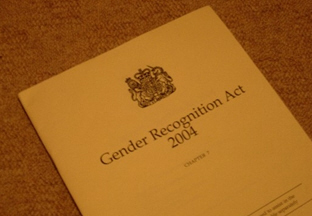
GenderRecActTrans* Jersey supports the calls by trans* organisations in the UK that the process for procuring a gender recognition certificate (“GRC”) needs revision. The Gender Recognition (Jersey) Law 2010 allows for a GRC from a recognised jurisdiction to be passed in the Royal Court. Any revisions that happen to the UK Gender Recognition Act 2004 as a result of the consultation happening with trans* organisations will, therefore, directly affect trans islanders. At present, Jersey has no mechanism by which to issue a GRC. However, this may change if trans* organisations within the UK are successful in calling for the Gender Recognition Act to be scrapped and for the issuance of a GRC to be an administrative process driven by the trans individual.

lawTrans* Jersey is committed to ensuring that all States of Jersey legislation that directly affects trans* islanders is scrutinised and responded to on behalf of the Jersey trans* community in order to safeguard our human rights. Trans* Jersey is currently preparing a response to both the States of Jersey consultation on sex discrimination and the imminent debate on equal marriage. Trans* Jersey will also be reviewing all legislation in force to ensure that there are no revisions that need to be called for.

equal marriageTrans* Jersey believes that equal marriage legislation is essential to ensure that trans islanders are not discriminated against, and that any equal marriage law introduced in Jersey should not contain the so-called Spousal Veto. Trans islanders who are married or in a civil partnership at the time of their transition have no option currently but to get divorced before they can acquire a full GRC. On the granting of a full GRC, the couple may formalise their partnership again by having another wedding ceremony. This situation is patently in violation of all human rights.

TeacherTrans* Jersey believes that education is the key to many of the issues faced by trans* individuals in society and is therefore committed to providing opportunities and resources to cisgender islanders in order that they can learn more about the trans* population. In the coming months, Trans* Jersey will be seeking conversations with private schools and the States of Jersey Education, Sport and Culture (“ES&C”) Department about including trans* issues within the sex education curriculum.

These are not the only issues faced by trans* individuals in Jersey, but they are the most important ones to be addressed. We are a small group with no financial backing. This manifesto is, therefore, necessarily realistic in its aims. It is not possible to hit all targets at once so we are being selective. Once progress has been made on these issues, we can turn our attention to other areas where reform is needed.

You can download the complete manifesto as a pdf here.